This article focuses on trust as the foundation of community safety and effective cooperation between citizens and law enforcement. It explains that people are more likely to report crimes, share information, and participate in prevention efforts when they believe police officers are fair, accessible, accountable, and committed to public service. In Bangladesh, where concerns about corruption, excessive force, and weak accountability can damage public confidence, rebuilding this relationship is presented as a major priority. Community policing is described as a practical way to reduce distance between officers and residents by encouraging regular interaction, local problem-solving, and shared responsibility for safety. The article also emphasizes transparency, independent oversight, ethical conduct, and respectful treatment as essential components of institutional trust. Citizens, however, are not portrayed as passive participants; they are encouraged to report crime, support awareness programs, and cooperate with safety initiatives. The post further discusses technology as a communication tool and argues that addressing poverty, unemployment, and other root causes of crime can strengthen both trust and long-term community security.
Safe and secure society is based on trust; trust between the community and the institutions charged with the responsibility to maintain order and justice. This is a very important trust in law enforcement. The citizens will trust the police, and they are more likely to cooperate with the police force, report the crimes, and participate in crime prevention activities. Such partnership leads to safer and more integrated society. In most of the world, however, it may not be easy to build and sustain this trust, especially in Bangladesh. Both the community and the law enforcement have to make it a deliberate effort to overcome this barrier.
This blog discusses the value of community safety, the power of trust in law enforcement and how both the law enforcement agencies and the citizens can collaborate to make stronger and safer communities.
The relationship of trust between the police and the people is important to warrant successful policing. The police officers are charged with the responsibility of law enforcement, crime investigation, and order maintenance. However, they can only do so very well when the community collaborates and trusts them. When the citizens have fear or distrust of the police, they are less likely to report crime, provide important information as well as collaborate in efforts to prevent crime. Such lack of cooperation may culminate to escalated criminal activities, restlessness and disintegration of the entire social setup.
The issue of trust is not only in the interaction between individual officers and members of the community but also in the attitude towards the law enforcers in general. In some restoration efforts such as in Bangladesh where policing is mostly perceived by the people as a means of suspicion with cases of corruption, excessive use of force, and lack of accountability, restoring trust is an important aspect. The citizens will be more inclined toward the law enforcement operations and assist in the prevention of crime when they see the police as their fellow combatants against crime and not as an oppressive or a repressive force.
Community policing is among the best approaches of establishing trust between the police and the citizens. Community policing involves a policing approach in which the police collaborate with the local communities to deal with the underlying cause of crime, preserve order and security to locals. Community policing as opposed to the traditional policing model is more oriented towards collaboration, prevention and solving problems as opposed to traditional models that are more enforcement oriented.
Community policing has been increasingly being embraced in Bangladesh, a country where most urban centers suffer high crime rates and social unrests, to enhance improved relationship between the police officers and the citizens. Community policing will encourage officers to interact with residents outside of law enforcement situations, which include attending local meetings, crime prevention workshops, and attending community events. This exposure will enable the officers to develop rapport with the citizens and humanize the police force and eliminate the barrier of distrust.
Community policing also enables police to have more insights of the needs and concerns of the community. In rural communities of Bangladesh, where law enforcement might be not as pronounced, police collaborating with members of the community can determine the local problems, including child labor, domestic violence, or drug abuse, and can devise the means of resolving them. Community policing also minimizes crime by making proactive measures instead of merely responding to crime and in the process establishing trust.
Openness and responsibility are pillars of developing trust between the police and the people. In openness and transparency in their work, which is coupled with the police taking responsibility of their acts, a sense of justice and fairness is created. This is specifically so in Bangladesh, where corruption and misconduct among the police is not a new problem. Cases of police brutality, corruption and the violation of human rights can easily undermine the levels of public trust and make the process of law enforcement to become ineffective.
To restore and keep the trust, law enforcement agencies should be devoted to the openness and responsibility in every detail of their activities. This involves making the police officers answerable to their behavior, undertaking comprehensive inquiries on any claims of misconduct, and publishing about their activities. Independent oversight mechanisms like the Police Complaints Authority that are put in place in Bangladesh would help in ensuring that complaints against the police are handled in an unbiased and open fashion.
Moreover, the consideration of ethical behavior and integrity should be of high concern by law enforcement agents. The officers are supposed to be trained to observe high standards of conducts such as adoption of human rights and fair treatment of all citizens irrespective of their background or status in the society. By the citizens perceiving that the police are up to these expectations, then chances are that the citizens will trust and cooperate with the police.
Establishment of trust between the citizens and the law enforcement agencies is a two-way traffic. As much as police should take initiative to interact with the community, it is also necessary that citizens should also come up and play an active role in enhancing community security. It is necessary to involve people in making the society responsible in terms of ensuring law and order.
In Bangladesh where a major population resides in rural and under served regions, the community members are very vital in crime prevention and community safety. The citizens have to be empowered to report crimes, share information on criminal activities as well as cooperate with law enforcement to combat the problem of drug trafficking, domestic violence, and child labor. This is because when the residents take an active role in the public safety programs, it gives a perception of a collective responsibility that empowers the community.
Moreover, community involvement can also be used to generate awareness about the prevention of crimes and the involvement of the police. The crime and precautions can be taught to the citizens in these programs where they can be educated on how to report cases of suspicious activities. In enrolling the community in such initiatives, the law enforcement agencies are not only developing a sense of trust but also creating a sense of ownership on the overall objective of making the community safe.
Among the best methods that have been identified to help in building trust between the police force and the citizenry is through addressing the causes of crime. The crime does not exist in the vacuum; in most cases, it is the product of social, economical and political aspects. In Bangladesh, problems of poverty, illiteracy, unemployment, political instability among other issues make some areas prone to high crime rates. The citizens would then tend to trust the police and would be more willing to help in crime prevention because they would know that the law enforcers are not just on the enforcement part but are working towards solving these problems.
The law enforcement agencies are required to collaborate with social services, community based organizations and local leaders to develop holistic plans of preventing crime that target the causes of crime. To illustrate, strategies aimed at educating vulnerable populations, offering them employment opportunities, and social assistance would help prevent crime over a long period. Law enforcement agencies are showing their interest to not only bring the law to book, but also enhance the general well being of the community by having a holistic approach to crime prevention.
Technology in the contemporary age can be significant in restoring credibility between the law enforcers and the citizens. Social media, mobile applications, and online sources provide the law enforcement agencies with a chance to address the population directly, provide information, and discuss it in real-time. Since in Bangladesh access to the internet and mobile phones is very common, law enforcement can apply the methods to enhance transparency, respond to questions and give updates on crime trends or current investigations.
As an illustration, the establishment of official police social media accounts will enable the citizens to engage with the police in a more casual manner, pose questions, and report on any issues. Citizens can be empowered in their active participation in public safety with the help of mobile apps to report crime or suspicious activities. In a situation where the police agencies operate efficiently through technology, not only are they able to improve their operation but also engage more with the people and thus, the citizens can easily interact with the law enforcers and a sense of trust is enhanced.
It is vital to establish trust between the citizens and the law enforcement to provide community safety. In Bangladesh, where the police and some groups of people have been in conflict causing sometimes lack of cooperation, this trust stands as one of the greatest needs. Through community policing, transparency, accountability, and working to eliminate the causes of crime, the law enforcement agencies can collaborate with communities to make the society safer and more integrated.
Nevertheless, it is not only the police who are at fault. It is also the responsibility of citizens to contribute towards the safety of the population by communicating with the police and reporting the crimes and assisting in crime prevention programs. When law enforcement and the community collaborate, trust may be established, crime may be minimized, and communities may flourish.
Finally, the safety of the community is a collective responsibility. Once the citizens and the police are the partners, they will be able to establish a safer environment together. This will further assist law enforcement agencies in Bangladesh and other countries to make the world safer and fairer by focusing on trust-building activities.
CITE THIS ARTICLE
Das, B. C. (2026). Community Safety: Building Trust Between Law Enforcement and Citizens. https://www.bikashchandra.com/article/76ad558e-da31-5561-b226-1cb02c36644a
B. C. Das, “Community Safety: Building Trust Between Law Enforcement and Citizens,” 2026. [Online]. Available: https://www.bikashchandra.com/article/76ad558e-da31-5561-b226-1cb02c36644a
Das, B. C. (2026) ‘Community Safety: Building Trust Between Law Enforcement and Citizens’. Available at: https://www.bikashchandra.com/article/76ad558e-da31-5561-b226-1cb02c36644a
Das, Bikash Chandra. “Community Safety: Building Trust Between Law Enforcement and Citizens.” 2026, https://www.bikashchandra.com/article/76ad558e-da31-5561-b226-1cb02c36644a.
Bikash Chandra Das. “Community Safety: Building Trust Between Law Enforcement and Citizens.” (2026). https://www.bikashchandra.com/article/76ad558e-da31-5561-b226-1cb02c36644a.
Das BC. Community Safety: Building Trust Between Law Enforcement and Citizens. 2026. https://www.bikashchandra.com/article/76ad558e-da31-5561-b226-1cb02c36644a
@misc{article_76ad558eda315561b2261cb02c36644a,
  title = {Community Safety: Building Trust Between Law Enforcement and Citizens},
  author = {Bikash Chandra Das},
  year = {2026},
  url = {https://www.bikashchandra.com/article/76ad558e-da31-5561-b226-1cb02c36644a},
}
TY  - GEN
AU  - Bikash Chandra Das
TI  - Community Safety: Building Trust Between Law Enforcement and Citizens
PY  - 2026-04-01
UR  - https://www.bikashchandra.com/article/76ad558e-da31-5561-b226-1cb02c36644a
ER  -
This article explores why people volunteer in America’s national parks and how program design influences whether service remains meaningful. Volunteer motivations often overlap and include personal values, learning, social connection, career development, confidence, purpose, and attachment to place. The article uses motivational frameworks to show that volunteers are more likely to remain engaged when they experience autonomy, growing competence, respectful relationships, and a clear connection
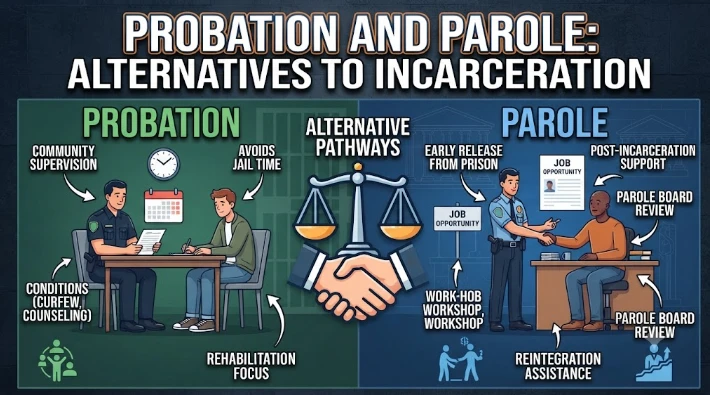
Probation and parole are presented as essential community-based alternatives to incarceration that combine supervision, accountability, and reintegration. Probation generally allows eligible offenders to remain in the community instead of serving a prison sentence, while parole provides conditional release after part of a custodial sentence has been completed. The article explains that both approaches can preserve employment, family ties, education, and housing, all of which reduce the risk of r
This article defines the ethical boundaries that protect volunteers who support visitor safety and law-enforcement-related functions in national parks. Although volunteers can assist with information, observation, traffic support, administrative work, backcountry roves, and reporting hazards, they must not exercise powers such as arrest, detention, search, citation, evidence handling, use of force, or other commissioned enforcement duties. The article emphasizes clear position descriptions, accu